

ESG consulting helps organizations turn environmental, social, and governance pressures into practical business strategy. Between 2024 and 2026, the regulatory landscape has shifted dramatically, making expert guidance a necessity rather than a luxury for companies of every size.
Key Takeaways
ESG consulting services now span regulatory compliance (CSRD, ISSB, SEC climate rules, California SB 253/SB 261), capital access, risk management, and brand value.
The ESG consulting market is forecasted to grow to over $48 billion by 2028, with a projected 27% CAGR through 2028, reflecting surging demand across industries.
U.S. companies in states like Arizona face both federal and state-level ESG policy complexity, including anti-ESG procurement laws alongside neighboring California’s aggressive climate disclosure mandates.
Specialized local expertise-such as an ESG consultant in Phoenix familiar with Southwest water stress, extreme heat risk, and Arizona-specific regulations-can materially improve outcomes versus generic consulting.
Introduction: What ESG Consulting Is (and Why It Matters Now)
ESG consulting is advisory and implementation support that helps companies manage environmental, social, and governance risks and opportunities while aligning with overall business strategy. ESG consultants help businesses navigate multiple regulatory frameworks effectively, translating complex mandates into actionable plans.
Since 2023, new rules such as the EU Corporate Sustainability Reporting Directive (CSRD), International Sustainability Standards Board (ISSB) standards, and emerging U.S. SEC climate disclosure requirements have made ESG a board-level priority. ESG and sustainability are no longer “nice to have”-they are central to risk mitigation, investor relations, and long-term business strategy, especially for mid-market firms entering global supply chains.
ESG consulting services range from high-level strategy design and materiality assessments to detailed data collection, engineering analysis, and audit-ready reporting. As of 2026, the field is evolving rapidly. This guide covers ESG strategy, esg trends, regulatory pressures, and how to choose and work with esg consultants, with examples relevant to Arizona and the broader U.S.
ESG Consulting in 2026: Market Size, Demand, and Key Trends
The global ESG and sustainability consulting market is projected to approach roughly $48 billion by 2028. The ESG consulting market faces a projected 27% compound annual growth rate through 2028, driven by regulation, investor expectations, and supply chain expectations from multinational buyers.
Several concrete esg trends are shaping the industry right now:
Mandatory climate disclosure is expanding. The CSRD phased in starting with FY 2024 reports, and California’s SB 253 requires direct emissions reporting in 2026, with indirect emissions starting in 2027. ESG regulations are constantly evolving and require continuous monitoring.
Sustainability-linked finance is booming. Green bonds, sustainability-linked loans, and ESG-linked financial performance targets increasingly require verified ESG data from borrowers and issuers.
Human rights in supply chains are under greater scrutiny. Global frameworks and buyer requirements are pushing companies to audit labor practices and supply chain conditions more rigorously.
Sector-specific pressures are intensifying. Manufacturing decarbonization, real estate resilience to extreme heat, and water stewardship in arid regions like Arizona are reshaping the scope of esg consulting services.
Technology is transforming the industry too. AI-driven data tools, automation platforms, and climate scenario modeling are changing how esg consulting firms deliver insights to clients, replacing manual spreadsheets with real-time dashboards and predictive analytics.
U.S. ESG policy has become polarized. Some states restrict the use of ESG factors in public investments, while others aggressively expand climate disclosure. This patchwork creates the kind of uncertainty companies turn to esg experts to navigate.
The Core Pillars of ESG and Sustainability
Every effective esg strategy is structured around the three pillars of environmental, social, and governance performance. Experienced esg consultants use this framework to prioritize actions, allocate resources, and align disclosures with stakeholder expectations.
Environmental: Climate impact (Scopes 1, 2, and 3 greenhouse gas emissions), energy transition, water use, waste management, and biodiversity. For example, tracking greenhouse gas emissions from a Phoenix-based logistics fleet or measuring water intensity across desert manufacturing facilities.
Social: Worker safety, diversity and inclusion, community impact, data privacy, and supply chain labor and human rights. Major frameworks such as the UN Guiding Principles on Business and Human Rights set the baseline for expectations from investors and buyers and reinforce the broader environmental, social, and governance principles that underpin modern sustainability strategy.
Governance: Board oversight of ESG, executive incentives tied to sustainability goals, ethics and anti-corruption programs, esg policy development, internal controls over non-financial data, and whistleblower mechanisms.
The best esg consultants link these three pillars back to business performance, valuation, and resilience. Instead of treating them as disconnected compliance checklists, they show how each pillar affects cost structure, revenue access, talent attraction, and long-term value creation.

What ESG Consultants Actually Do: Roles, Responsibilities, and Deliverables
ESG consultants bridge ambition and execution. They interpret regulations, design esg programs, and turn them into operational plans and disclosures that can withstand investor scrutiny and third-party assurance.
Core responsibilities include:
Conducting double materiality assessments to identify what matters most to the business and its stakeholders
Mapping esg risks and opportunities across operations, supply chain, and markets
Aligning ESG initiatives with business strategy and corporate goals
Developing transparent policies and implementing frameworks like GRI, SASB, ISSB, and CSRD/ESRS
Building data collection systems and defining KPIs for esg performance
Preparing audit-ready esg report content and investor-facing sustainability narratives
Facilitating board and executive workshops on governance and climate
A typical project follows clear phases: diagnostic (baseline assessment and gap analysis), roadmap design (prioritized initiatives and timelines), implementation support (data systems, process changes, engineering input), and reporting (ESG or sustainability report aligned with chosen frameworks).
Common deliverables include esg strategy slide decks, KPI dashboards, greenhouse gas inventories, climate risk heat maps, training sessions for management, and supplier codes of conduct.
Consultants manage 200 to 300 gap assessments annually, often manually, and face constant pressure to deliver timely, accurate results. For a mid-sized manufacturer in Arizona, a typical 3–6 month engagement might involve the consultant coordinating with finance, operations, HR, and engineering talent to build a baseline, design a roadmap, and produce a first sustainability report.
From ESG Strategy to Business Strategy: Turning Compliance into Competitive Advantage
The best esg consulting services don’t chase ratings or produce check-the-box reports. They embed ESG into core business strategy and investment decisions, making compliance a springboard for growth.
Companies integrating ESG into strategies can reduce operational expenses through energy efficiency retrofits, water recycling, and waste reduction-savings that are especially significant in high-cost environments like Phoenix.
Social initiatives around worker safety, diversity, community investment, and strategic business philanthropy directly support talent attraction and retention, creating more jobs and reducing turnover.
Governance improvements-stronger internal controls, transparent reporting, ethics programs-lower risk premiums and improve financing terms, enhancing company valuation and reputation.
ESG experts use scenario planning and stress testing to inform long-term capital planning. For instance, modeling heatwave impacts on data centers or warehouse operations in Phoenix in 2030–2040 helps companies make smarter site selection and infrastructure decisions.
Consultants also help align corporate goals with supplier network realities. A regional construction firm, for example, might leverage its esg strategy to win public contracts requiring sustainability criteria, or a manufacturer might open new international business partnerships by providing verified supplier ESG data to global retailers.
Boards and C-suites play a critical role. Consultants often facilitate strategy offsites, integrate ESG KPIs into executive scorecards, and help leadership see ESG not as a cost center but as a driver of business growth and long term value.
The ESG Consulting Process: Step-by-Step Overview
Most esg consulting firms follow a structured, repeatable process, even though each project is customized by industry, size, and geography. Here is a typical sequence:
Initial scoping and stakeholder interviews. The consultant and client define objectives, scope, and key stakeholders. Output: project charter and stakeholder map.
Data inventory and gap assessment. The consultant reviews existing raw data, policies, and disclosures. Output: a gap analysis report showing where the company stands versus target frameworks.
Materiality analysis. Both financial and impact materiality are assessed, reflecting CSRD and ISSB priorities. Output: a materiality matrix.
ESG policy and framework selection. The consultant recommends which frameworks (GRI, ISSB, CSRD/ESRS) to align with based on the company’s regulatory compliance needs and stakeholder expectations. Output: framework alignment plan.
Roadmap and ESG strategy design. Prioritized initiatives, timelines, owners, and budgets are documented. Output: multi-year ESG roadmap.
Implementation planning. Data systems, process changes, and technical projects (e.g., energy audits, water reuse engineering) are launched. Consultants integrate digital tools and automation to replace manual spreadsheets and email-heavy collection.
Reporting and assurance readiness. The consultant produces a draft esg report or sustainability report, prepares documentation for limited or reasonable assurance, and supports internal teams through the review cycle.
Ongoing monitoring and refinement. KPIs are tracked, strategies updated, and performance benchmarked against peers and evolving regulations.
Typical timelines: a first diagnostic phase of 8–12 weeks, followed by multi-year implementation support. This aligns with regulatory deadlines-many companies needed CSRD-aligned reports by 2025–2026.
Navigating ESG Policy and Regulation: CSRD, ISSB, SEC, SB 261, and Beyond
The regulatory landscape for ESG has become complex, with overlapping frameworks at global, regional, federal, and state levels. This complexity makes esg consultants indispensable interpreters and planners.
EU CSRD: The corporate sustainability reporting directive was introduced in 2023. It requires large E.U.-listed companies to follow stricter reporting rules, with mandatory third-party assurance phased in starting with FY 2024 reports.
ISSB (IFRS S1 and S2): Issued in 2023 and now being adopted worldwide, these standards focus on sustainability-related financial disclosures and are increasingly referenced by non-EU regulators.
U.S. SEC climate rules: The SEC adopted climate disclosure rules in March 2024, but by 2026 proposed to rescind them, creating regulatory uncertainty for public companies.
California SB 253 and SB 261: These state laws create de facto standards for companies across the country-including those headquartered in Arizona that sell into California-requiring direct and indirect emissions reporting and climate risk disclosure.
ESG consultants help companies choose and align with appropriate frameworks, prepare for audit-ready, investor-grade esg compliance disclosures, and harmonize voluntary and mandatory reporting, especially when delivering ESG and CSR advisory services for Arizona businesses.
An esg consultant in Phoenix, for example, might coordinate with legal counsel and finance teams to harmonize a voluntary sustainability report with forthcoming mandatory disclosures under California law, reducing duplication and conflicting messages-while also navigating Arizona’s SB 1611, which restricts public sector entities from conditioning contracts on a company’s esg policy.
Industry-Specific ESG Consulting: Manufacturing, Real Estate, Tech, and Public Sector
ESG and sustainability challenges vary dramatically by sector. Experienced professionals in sustainability consulting tailor methods and metrics rather than applying a generic checklist.
Manufacturing: Decarbonization, energy efficiency improvements, waste reduction, and water stewardship dominate. For Arizona manufacturers, water use and heat-related worker safety are top-tier material issues. ESG consultants quantify emissions baselines, design reduction pathways, and build compliance requirements into operational workflows.
Commercial real estate: Green building certifications, energy codes, and resilience to extreme heat and flooding are priorities. In Phoenix, reflective roofing, shade structures, high-efficiency HVAC, and xeriscaping are common recommendations from esg consultants working in this industry.
Technology and data centers: Renewable energy sourcing, cooling efficiency, and data privacy are the primary ESG focus areas. Desert locations face unique cooling challenges that directly affect both cost and environmental footprint.
Public sector entities: Transparent reporting, community impact measurement, corporate giving in Arizona’s communities, and equitable access to services are central. Municipal water authorities and utilities in Arizona must model supply reliability under Colorado River cuts and plan for drought resilience.
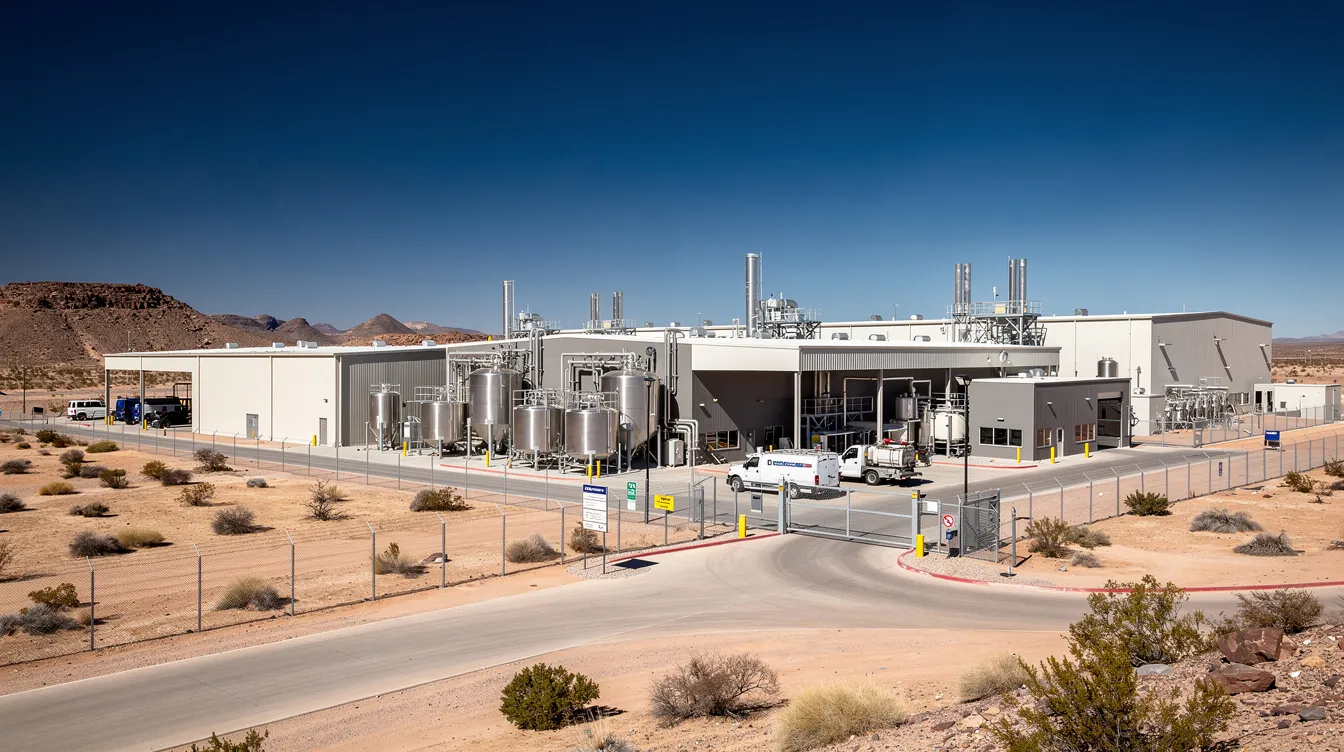
ESG consultants partner with specialized engineering talent-electrical, mechanical, civil, and environmental engineers-to quantify impacts, design technical solutions, and translate them into finance-friendly business cases. This collaboration between consulting and engineering is increasingly important for delivering measurable results.
Technology, Data, and Automation in Modern ESG Services
Manual ESG data collection and spreadsheet-driven reporting are no longer sustainable for companies facing complex regulations and investor scrutiny. Consultants often spend countless hours sifting through documents, but technology is changing the game.
ESG data platforms centralize metrics from across facilities, supply chains, and business units, replacing fragmented spreadsheets with a single source of truth.
Carbon accounting tools calculate Scope 1, 2, and 3 emissions with increasing granularity, drawing on utility bills, fleet data, and supplier inputs.
AI systems handle document review, regulatory mapping, and similarity detection-tasks that previously consumed significant analyst time. ESG-specific technology can automate workflows and eliminate manual work across gap assessments, supplier risk mapping, and report drafting.
Dashboarding solutions deliver real-time KPI tracking to executives and boards, enabling faster decision-making and continuous improvement.
Data quality matters. Under regimes like CSRD, ESG metrics must withstand limited assurance (and eventually reasonable assurance). ESG consultants help design audit trails, internal controls, and data governance processes so that reported numbers are defensible.
A Phoenix-headquartered company, for example, might use an ESG platform to collect energy and water data across multiple desert facilities and automatically generate disclosures aligned with ISSB S2-freeing up internal teams to focus on strategy rather than data wrangling.
Selecting the Right ESG Consulting Partner (Including Local Expertise in Arizona)
The ESG consulting market includes global esg consulting firms, specialized boutiques, and independent consultants. Choosing the right partner can significantly influence outcomes and cost.
Practical selection criteria to evaluate:
Sector experience and track record with companies of similar size and complexity
Familiarity with regulatory regimes relevant to your footprint (EU, U.S., specific states)
Ability to integrate ESG with business strategy-not just produce a report
Depth of engineering and financial modeling capabilities
Proven ability to implement, not just advise, and to deliver long term value through change management
Local context matters enormously. For companies in Arizona, a consultant who understands Southwest water scarcity, extreme heat projections, the regional grid mix, local incentives for renewable energy or energy efficiency, and city-level climate initiatives will deliver better results than one working from a distant office with generic benchmarks.
Check references, review sample deliverables (materiality assessments, esg policies, climate risk analyses), and evaluate whether the firm has a methodology for change management and internal training, including experience partnering with business philanthropy consultants for Arizona companies where community impact is a core priority.
Organizations benefit from balancing global best practices with on-the-ground insights. That often means working with esg consultants who are physically present in key locations like Phoenix while still conversant with international standards and frameworks that drive international business.
Working Effectively with ESG Consultants: Governance, Teams, and Change Management
The success of an ESG engagement depends as much on internal governance and collaboration as on the quality of the external consultant. Many organizations underestimate this.
Board oversight: Assign a board-level sponsor or committee for ESG. This signals strategic importance and ensures leadership accountability.
Executive sponsor: A C-suite champion-often the CFO or COO-owns the engagement internally and removes roadblocks.
Cross-functional ESG committee: Include representatives from finance, operations, HR, legal, IT, procurement, and engineering. ESG work touches every function.
Early alignment on esg goals, budget, and timelines is critical. ESG consultants typically facilitate kick-off workshops, stakeholder mapping sessions, and communication plans to build buy-in.
Change management is where many engagements succeed or fail. Experienced professionals help train internal teams, embed ESG responsibilities into job descriptions and performance reviews, and design simple, repeatable processes rather than one-off heroic efforts.
For example, a Phoenix-based company might form a cross-functional ESG task force in 2026 to work with a consultant on a three-year roadmap covering climate resilience, diversity, and governance enhancements. This team becomes the internal engine for sustainability strategy execution-ensuring that esg programs outlive any single consulting engagement.

Measuring ESG Impact: KPIs, Reporting, and Continuous Improvement
Moving from esg intentions and policies to measurable results requires clearly defined key performance indicators and transparent reporting.
Examples of quantitative ESG KPIs include:
Tons of CO₂e reduced year over year
Percentage of energy from renewable sources
Water intensity per unit of production
Injury and incident rates
Diversity metrics across management levels
Ethics hotline case resolution times
Board-level ESG training completion rates
ESG consultants help define KPIs aligned with frameworks (GRI, SASB, CSRD/ESRS, ISSB) and investor expectations, design data collection processes, and set baselines and targets (e.g., 2030 net-zero milestones or 2027 diversity targets). Consultants perform risk assessments and define KPIs for esg performance that are specific, measurable, and tied to material issues.
The reporting cycle typically includes annual sustainability or ESG reports, integrated reports, climate-specific disclosures, and responses to ESG ratings and rankings. The trend from 2024–2026 has been toward limited assurance of non-financial data, with reasonable assurance on the horizon-making reliable data and strong internal controls non-negotiable.
Effective ESG strategies can enhance company valuation and reputation over time, but only if they evolve. Periodic re-assessment of material issues, updating sustainability goals and esg strategies as regulations and esg trends shift, and independent “health checks” from consultants keep companies on track. ESG regulations are constantly evolving, complicating compliance, which is why continuous monitoring is not optional-it is a core part of the position any company takes on sustainability.
Frequently Asked Questions About ESG Consulting
This FAQ addresses common, practical questions that decision-makers raise when first exploring esg consulting, especially in the U.S. and Arizona contexts.
How much do ESG consulting services typically cost?
Diagnostic and gap analysis projects for smaller companies typically start in the low five-figure USD range-roughly $20,000 to $50,000. More complex, multi-site, multi-year esg services programs for large enterprises can reach into the high six or seven figures. Key cost drivers include scope, data complexity, regulatory exposure, the number of facilities, and the need for on-site work such as facility visits in Phoenix or Tucson. Staffing specialized expertise in engineering or climate modeling adds to cost but often pays for itself through better outcomes.
How long does it take to build an ESG strategy and first report?
A baseline assessment and roadmap for a mid-sized company typically takes 8–12 weeks. Gathering data and producing the first esg report or sustainability report usually requires 4–6 months. Full implementation-embedding ESG into culture, operations, and governance-often spans two to three years. The future of your program depends on maintaining momentum beyond the initial report.
Do only public companies need ESG consultants?
No. Privately held and family-owned businesses increasingly need ESG support to meet customer, lender, and supply chain requirements. Regional suppliers in Arizona serving large, ESG-focused global buyers, for example, may need to prove esg compliance to retain contracts. Preparing for future regulations or a potential IPO is another common reason private companies engage esg consulting services.
What is the difference between ESG consulting and traditional management consulting?
ESG consultants specialize in environmental social and governance issues, frameworks, and data. They often combine sustainability science and engineering expertise with strategy and reporting capabilities. Traditional management consulting focuses on performance improvement, M&A, or operations and may lack deep esg policy, disclosure, and reporting expertise. The overlap is growing, but subject-matter depth in ESG still matters for regulatory compliance and reputational damage avoidance.
Can small and mid-sized companies in Arizona realistically benefit from ESG consulting?
Yes. Smaller companies can gain access to new customers, better financing terms through sustainability-linked products, and lower operating costs by working with esg experts who right-size projects to the most material issues. In cities like Phoenix, Mesa, and Chandler, focusing on energy efficiency, water stewardship, and workforce safety delivers esg offers that prove value quickly-often within the first year. ESG consulting helps businesses align ESG priorities with overall business goals regardless of company size.